
Weird CPG Is Back (And That's the Signal)
 PriyankaLv.103 min read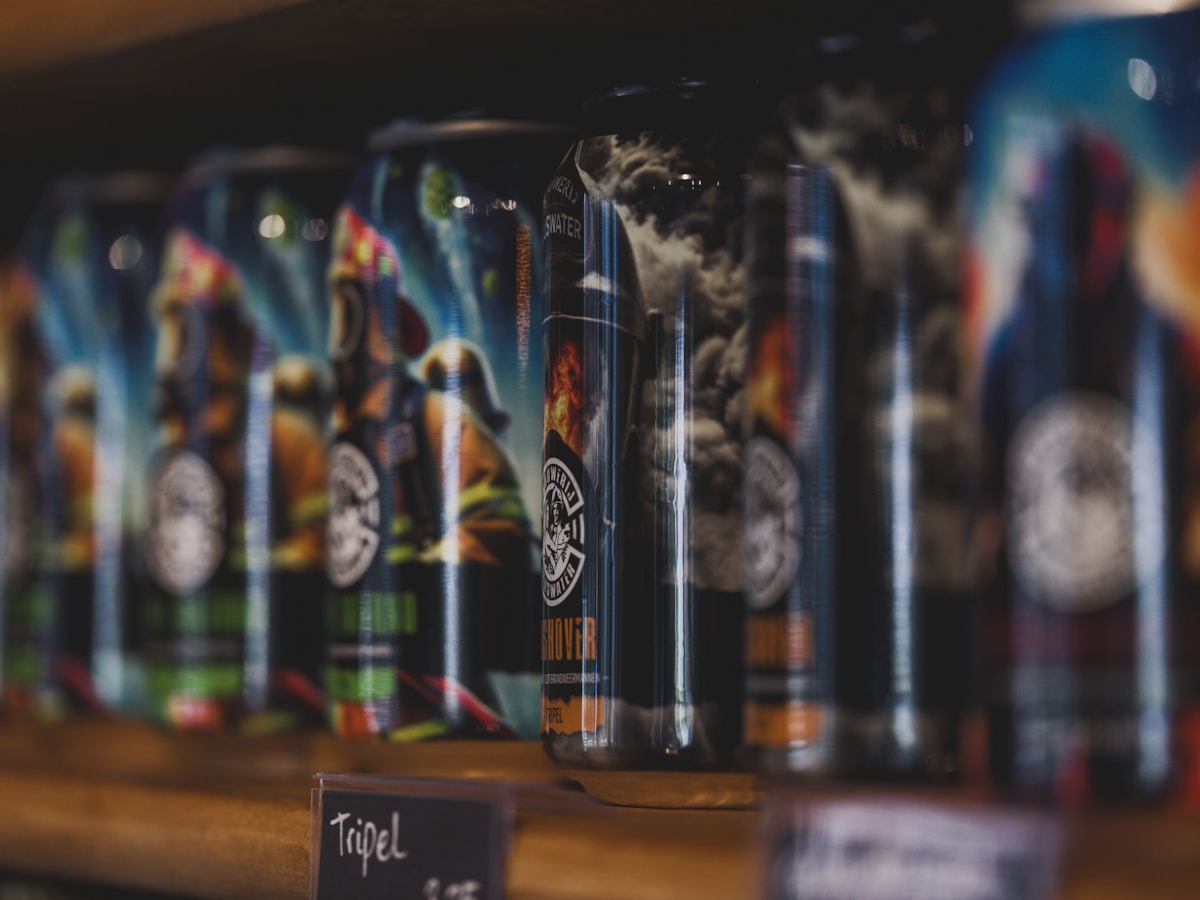
When Everyone Says Consumer Is Dead
Every cycle has a moment when investors declare an entire category "uninvestable."
Right now, that category is consumer.
Margins are thin. CAC is broken. Retail is brutal. DTC postmortems are everywhere. The consensus is clear: CPG is over.
That's usually the tell.
Because while traditional consumer is struggling, something else is quietly working -- a new class of brands that look nothing like Procter & Gamble, and nothing like the DTC wave that burned out in 2021.
Call it weird CPG.
What "Weird" Actually Means
Weird CPG brands don't optimize for shelf space or focus groups. They optimize for culture and distribution.
They share a few defining traits:
- Internet-native tone and aesthetics
- Distribution before scale
- Community before margins
- Identity before mass appeal
They're not built top-down. They're pulled into existence by culture.
Liquid Death Wasn't an Accident
Liquid Death is the canonical example.
On paper, it's absurd: a canned water company with a heavy-metal aesthetic. In reality, it's a masterclass in modern consumer strategy.
Liquid Death understood something legacy CPG missed: the brand is the product. The water is a commodity. The identity is not.
By leaning into memes, irreverence, and cultural fluency, Liquid Death built organic distribution that money can't buy. The result: national retail placement, celebrity investors including Tony Hawk and Machine Gun Kelly, and a valuation north of $1.4 billion -- in a category investors claim is dead.
Functional Drinks, Built on TikTok
The same pattern shows up elsewhere.
Olipop and Poppi didn't win by outspending Coca-Cola. They won by owning TikTok, creators, and wellness culture.
These brands behave more like media companies than beverage companies:
- Founder-led storytelling
- Creator-driven distribution
- Constant feedback loops with consumers
Olipop, meanwhile, has raised over $50 million and is on track for $500M+ in annual revenue. Both brands prove that functional beverages can scale when distribution is earned, not bought.
Document the Company, Not the Ad Campaign
Mid-Day Squares took this even further.
Instead of running polished brand campaigns, they documented the company itself -- the fights, the stress, the wins, the mess. Operations became content. Transparency became the hook.
Customers didn't just buy chocolate. They rooted for the company.
That level of emotional buy-in doesn't show up in a gross margin spreadsheet, but it compounds harder than paid acquisition ever did.
Weird Works in Beauty Too
This isn't limited to food and beverage.
Starface turned acne -- something teenagers are taught to hide -- into a bright, playful, Gen-Z-coded aesthetic. Pimple patches became fashion statements. Shame turned into identity.
Fly By Jing built a cult following around Sichuan chili crisp by leading with authenticity, founder story, and unapologetic specificity. It's not "Asian-inspired" -- it's the real thing, and the audience responded.
That cultural inversion is the playbook. Weird CPG brands don't smooth edges. They sharpen them.
Why This Works Now
The timing isn't accidental.
- Paid acquisition is inefficient, but culture still spreads
- Manufacturing barriers are lower than ever
- Distribution lives on TikTok, Discord, Substack, and group chats
- Consumers want signal, not sameness
When capital pulls back, only brands with real gravity survive.
The Investor Mistake
Most investors still evaluate consumer brands using outdated heuristics:
- Gross margin first
- Retail expansion first
- Mass appeal early
- Distribution first
- Identity first
- Obsession first
This is uncomfortable for spreadsheets -- and that's why the opportunity exists.
The Bet
The next great consumer outcomes won't look safe.
They'll look strange. Specific. Internet-shaped. Slightly unhinged.
And they'll work precisely because they don't resemble the last generation of CPG success stories.
When everyone says consumer is dead, the weird ones are just getting started.
